
How to get started with the data analytics website? Learning path guide
Time: 2026-10-23
Editor: USTAT.COM
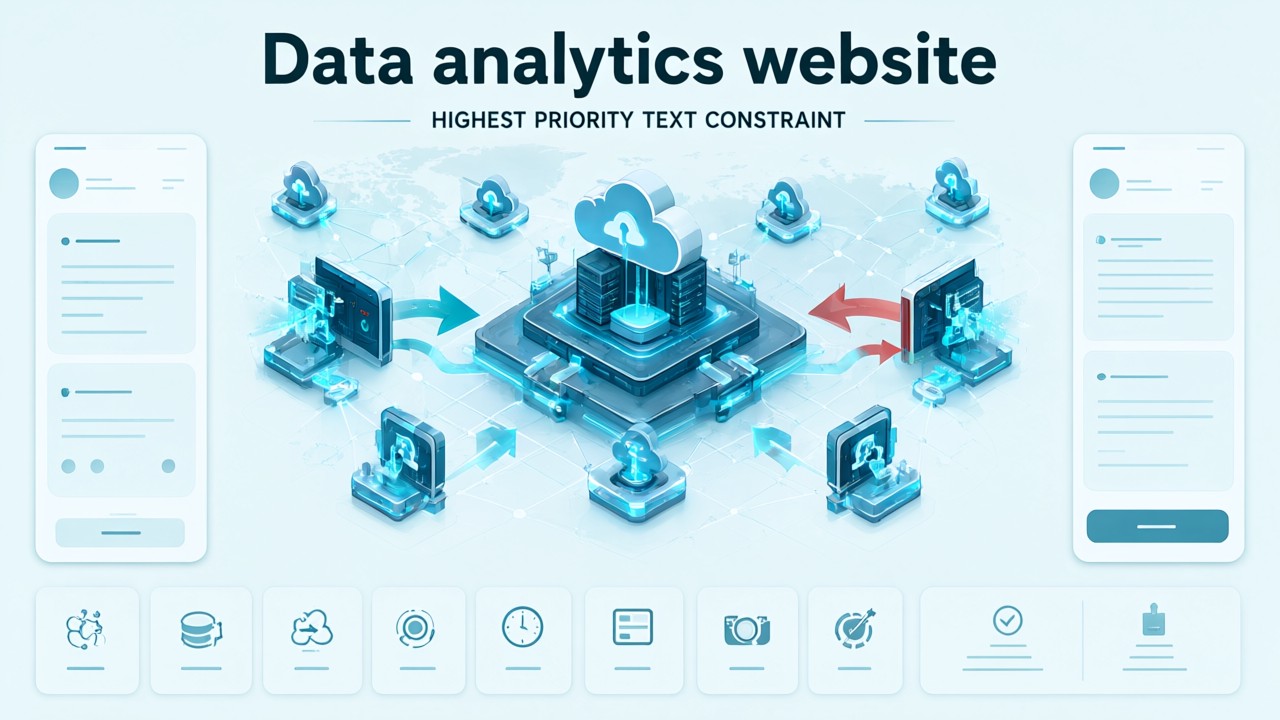
in today's digital wave sweeping all walks of life, data has become a core asset for corporate decision-making and personal growth. In the face of massive information, how to efficiently obtain, interpret and apply data has become an urgent need for many professionals and learners. The importance of data analytics websites as a bridge between original data sources and business insights is becoming increasingly prominent. However, for beginners, it is often difficult to start with the complex tools, methodologies and platforms. This article aims to provide a clear and practical learning path guide for you who are eager to master data skills. From basic concepts, tool selection, practical exercises to advanced directions, we will systematically sort out the key steps to achieve capability transition with the help of data analytics website, help you avoid common misunderstandings, establish a scientific learning framework, and take the lead in the data age.
Why is the data analytics website the first choice for getting started
for zero-based learners, the data analytics website provides a low-threshold, high-reward learning environment. It integrates courses, cases, datasets and community resources to make learning no longer isolated. Compared with traditional books or fragmented tutorials, these platforms allow you to learn while practicing, with immediate feedback, greatly improving learning efficiency. More importantly, high-quality data analytics websites will keep up with industry trends, update content, and ensure that you master the skills that companies really need today.
1, systematic curriculum structure
good data analytics website is usually designed with a complete curriculum from beginner to advanced. For example, first explain the basics of statistics and Excel operations, then transition to SQL queries, Python programming and data lake visualization. This step-by-step structure helps you build a solid foundation of knowledge and avoid knowledge fragmentation. You don't need to piece together the learning route yourself, just follow the platform's plan and move forward steadily.
2, real projects and datasets
theoretical learning must be combined with practice. Many data analytics websites offer desensitized datasets from real-world business scenarios, complete with analysis projects. By completing these projects, you will not only become familiar with the analysis process, but also build a portfolio to add leverage to job interviews. This hands-on exercise is the key to self-study and a core advantage of the website over regular tutorials.
Core criteria for selecting a data analytics website
data analytics websites on the market are endless, and the quality varies. Blind choice will only waste time and energy. You need to comprehensively evaluate the pros and cons of the platform according to your own foundation, learning goals and budget. An ideal data analytics website should have three elements: content depth, interactive experience and community active level. Don't just look at the publicity, but experience the audition course in depth to feel whether the teaching style is suitable for you.
1, whether the course content keeps pace with the times
the field of data analytics is rapidly evolving, such as new visualization libraries, Cloud as a Service tools. Check whether the website regularly updates the course and covers cutting-edge topics such as introductory machine learning, AIGC-assisted analysis, etc. Old content will make you fall behind. Prefer websites with a clear track record of version updates and industry experts participating in lectures.
2, supporting exercises and certification system
simply watching videos can't master skills. Good platforms will have built-in code editors, online quizzes and project defenses. In addition, high-value certificates of completion or micro-professional certifications can significantly enhance the gold content of your resume. When selecting, you may wish to check the student evaluation to find out the recognition of the certificate in the industry and whether to provide job referral services.
Data Analytics website learning path planning
the choice of platform is clear, the next step is the specific execution route. A reasonable learning path should follow the ladder of "basic tools → data processing → visualization → advanced analysis". You don't need to learn all the tools at the same time, but should focus on one main line. For example, start with Excel and SQL to solve daily data retrieval and reporting problems, and then transition to Python or R to handle more complex data modeling tasks.
1, the first stage: solidify the tool foundation
first, be proficient in Excel functions, pivot table and basic chart making. This is the most common skill. Second, learn the SQL language and be able to extract data efficiently from the database. Many data analytics websites offer online SQL practice environments, allowing you to operate real databases directly in the browser, quickly master multi-table queries and aggregation functions, which is the cornerstone of subsequent analysis work.
2 Stage 2: Mastering Visualization and Reporting
data lake visualization is key to making a point. Learn business intelligence tools like Tableau or Power BI to create dynamic interactive dashboards. Also, learn design principles like color scheme and layout to make diagrams more persuasive. At this stage, you should learn how to turn your analysis results into clear business recommendations and write structured analysis reports. The case library on the data analytics website provides a wealth of reference templates.
3 Stage 3: Advanced Statistics and Programming
when the foundation is solid, introduce Python or R language. Focus on learning Pandas, NumPy and other libraries for data cleaning and processing, and use Matplotlib or Seaborn for advanced plotting. At the same time, master statistical methods such as hypothesis testing and regression analysis. This stage requires a lot of coding practice. It is recommended to participate in challenges or open-source projects on the website to improve code ability and problem-solving ability.
4. Using data analytics website to avoid pits and advanced
learning process, the biggest pitfalls are "only collecting but not practicing" and "eating more than you can chew". The data analytics website is good, but if you only indulge in watching videos and don't do it yourself, you can never internalize knowledge. You need to set weekly practice goals, such as completing the analysis of a dataset. At the same time, be wary of "tool worship", don't learn for the sake of learning, all tools should serve to solve specific business problems.
1, establishing learning communities and feedback mechanisms
choose a data analytics website with an active community. Asking and answering others' questions in the forum can speed up knowledge absorption. Find learning partners and monitor each other's progress. Many platforms offer homework mutual evaluation functions. By looking at other people's code and ideas, you can find your blind spots. Regularly review study notes to form a knowledge system.
2, pay attention to industry trends and case competitions
the advanced stage, pay more attention to the industry solutions and case competitions on the website. For example, analysis and actual combat in the fields of e-commerce, finance, medical care, etc. Participating in the competition can not only test the learning results, but also get access to the latest analytical ideas. At the same time, pay attention to the career development suggestions shared by platform experts, understand the ability requirements of enterprises for data analysts, so as to accurately make up for the shortcomings.
sum up, the data analytics website is a golden starting point for systematically learning data skills. By choosing a high-quality platform and following a scientific learning path, every step from tool foundation to business practice is inseparable from continuous practice and reflection. Remember, the ultimate goal of learning is to cultivate data thinking, that is, the ability to use data to drive decision-making. I hope this guide will help you avoid detours and become a data analytics talent on your own as soon as possible.