
How to increase page traffic? 5 core strategies explained in detail
Time: 2026-09-30
Editor: USTAT.COM
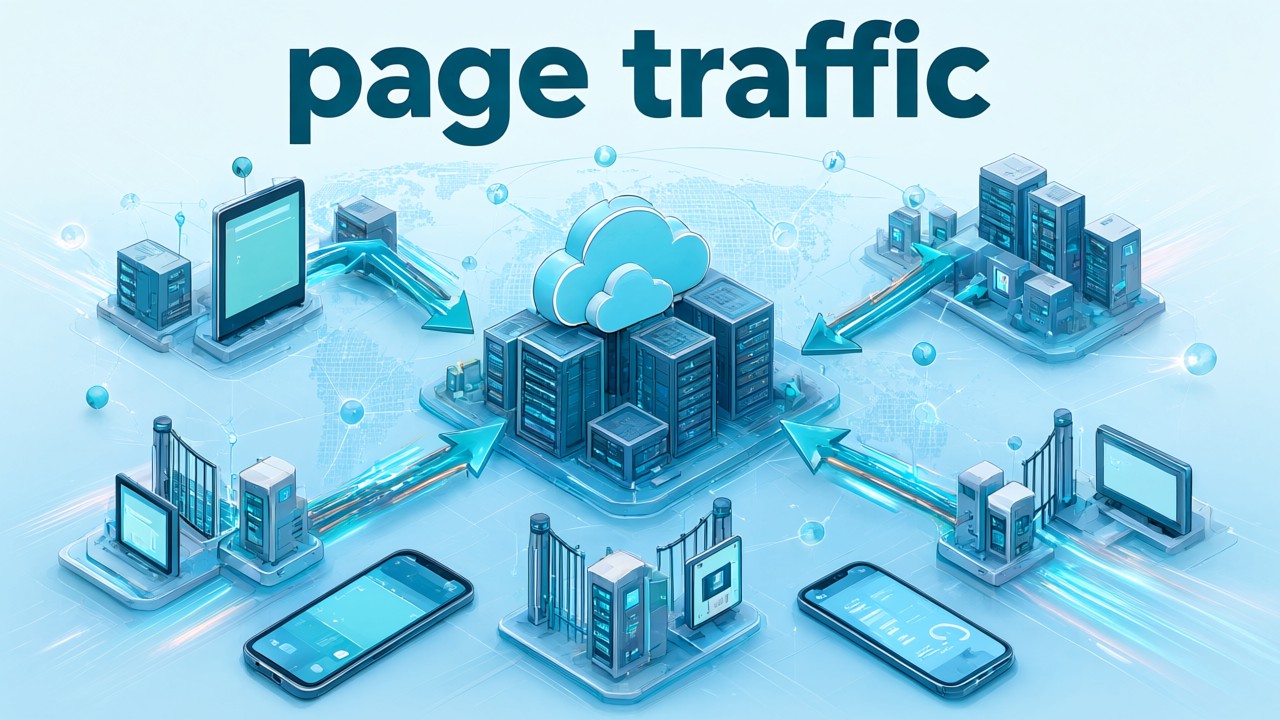
in digital marketing, page traffic is the core metric for measuring the health and business potential of a website. Whether it is brand exposure, product promotion or monetized content, traffic is the original driver of business growth. However, as competition intensifies and algorithms update, many operators are finding traffic growth increasingly difficult or even declining. This is no accident, but due to aging strategies, insufficient user experience or disconnected content from user requests. To break through this bottleneck, it is necessary to systematically examine every aspect of traffic acquisition, from search engine optimization to content planning, from technical performance to external communication, to build a complete growth system. This article will focus on five proven core strategies to help you understand the underlying logic of traffic growth and master practical optimization methods to win more visitors in the fierce market competition and achieve sustainable traffic growth.
First, the basic diagnosis and goal setting of page traffic
any effective traffic improvement plan begins with a clear understanding of the current situation. Blind pursuit of traffic numbers often results in wasted resources, and data-driven diagnostics can help you identify real weaknesses and opportunities.
1, clear flow source structure
through analytical tools such as Baidu statistics or Google Analytics, split the proportion of traffic from natural search, direct access, external links, social media and other channels. If the proportion of natural search is too low, it means that the SEO foundation is weak; if the social traffic is large but the conversion is low, the content relevance needs to be optimized. Only by understanding the performance of each channel can we formulate a targeted promotion strategy.
2 Set quantifiable flow targets
set short- and long-term goals based on historical data and industry benchmarks. For example, increase organic search traffic by 30% in three months, or overall page traffic by 20%. Goals need to be SMART-compliant, specific, measurable, achievable, relevant, and time-bound. Setting clear goals helps the team focus and facilitates follow-up impact evaluation.
How does content optimization drive page traffic growth?
content is the core carrier of attracting traffic, and high-quality content that meets users' search intentions can win the favor of search engines and users at the same time. Optimization of content strategy is the cornerstone of long-term traffic growth.
1, mining high-value keywords and meet search intent
use keyword tools to find business-relevant, moderately searched, and less competitive long-tail keywords. At the same time, analyze the existing content on the front page of search results to determine the type of information users expect, such as tutorials, reviews, or data. Incorporate keywords naturally into the alt attributes of titles, paragraphs, and images to ensure that the content fully answers user questions, thereby improving rankings and click through rates.
2, improve content quality and update frequency
search engines tend to display original, in-depth, and well-structured content. Regularly updating old articles with the latest data or cases can maintain the active level of the page. At the same time, increasing the variety of forms of content, such as videos, infographics, or interactive elements, can prolong user retention time and reduce bounce rate. These are important signals for search engines to evaluate page quality.
3, the profound impact of technical optimization on page traffic
technical level of optimization is often overlooked, but it directly determines whether the search engine can effectively crawl and index your page, and the user experience when visiting. Technical problems can lead to invisible loss of traffic.
1, improve page loading speed
page load time is a key factor affecting user experience and search rankings. Studies have shown that bounce rate increases significantly when it takes more than 3 seconds to load. By compressing images, enabling browser caching, using CDNs, etc., you can control load time to less than 2 seconds. Regularly use tools like PageSpeed Insights to detect performance and fix issues in a timely manner.
2, ensure mobile end adaptation and structured data
as mobile device usage continues to grow, the mobile end experience becomes an important entry point for traffic. Adopt responsive design to ensure that pages can be displayed normally in different screen sizes. At the same time, adding structured data tags, such as articles, products, FAQs, etc., can help search engines generate rich summaries, improve visibility and click through rate in search results, and thus bring more traffic.
How can external communication expand the source of page traffic?
in addition to relying on organic search engine traffic, active external communication can quickly attract a large number of visitors and build brand influence. Multi-channel promotion is an important amplifier for traffic growth.
1, using social media and information delivery
regularly share high-quality content on mainstream social platforms and participate in relevant community discussions, which can attract target users to click to visit. At the same time, information delivery to third-party platforms such as Zhihu, Baijiahao, Jinri Toutiao, etc., and use their traffic pools to gain additional exposure. Pay attention to adjusting the content format according to the tone of different platforms, such as short videos or graphics.
2, establish high-quality chain and brand cooperation
strive for external links from authoritative websites or industry media, which can not only directly bring reference traffic, but also improve domain name weight. Joint promotion with KOLs or brands in related fields, such as writing guest articles and exchanging resources, can reach a wider audience. External chain construction should follow natural principles and avoid using spam links.
Five, data-driven and continuous iterative page traffic strategy
is not Non-Recurring Engineering, but a circular process that requires continuous monitoring, analysis, and optimization. Data can reveal which strategies work and which need to be adjusted.
1, establish a flow monitoring and attribution system
use analytics tools to track key metrics such as page views, unique visitors, source channels, conversion rates, etc. Use UTM parameters to tag external links to accurately assess the contribution of each channel. Understand the complete path of users from first contact to conversion through attribution analysis to optimize budget and energy allocation.
2, regular review and optimization iteration
conduct a monthly or quarterly traffic review, compare the target with the actual data, and analyze the reasons for the deviation. For example, if a keyword ranks down, check for algorithm updates or competitor changes. Based on data feedback, adjust content strategy, technical optimization or promotion plan. Continuous small-step and fast-run optimization is more stable and reliable than one-time radical changes.
sum up, improving page traffic requires collaborative efforts from five dimensions: basic diagnosis, content optimization, technical support, external communication and data iteration. Clarify the status quo and goals, meet user requests with high-quality content, ensure experience with technical optimization, expand impact with multi-channel communication, and drive continuous improvement with data. These strategies do not exist in isolation, but are interrelated and mutually reinforcing as a whole. Only by systematically executing can we achieve steady growth in traffic and lay a solid foundation for business transformation. Remember that traffic growth is a dynamic process, stay patient and agile, and constantly adapt to changes to be invincible.