
Website heat map which is good? Utility tool comparison evaluation and recommendation
Time: 2026-08-31
Editor: USTAT.COM
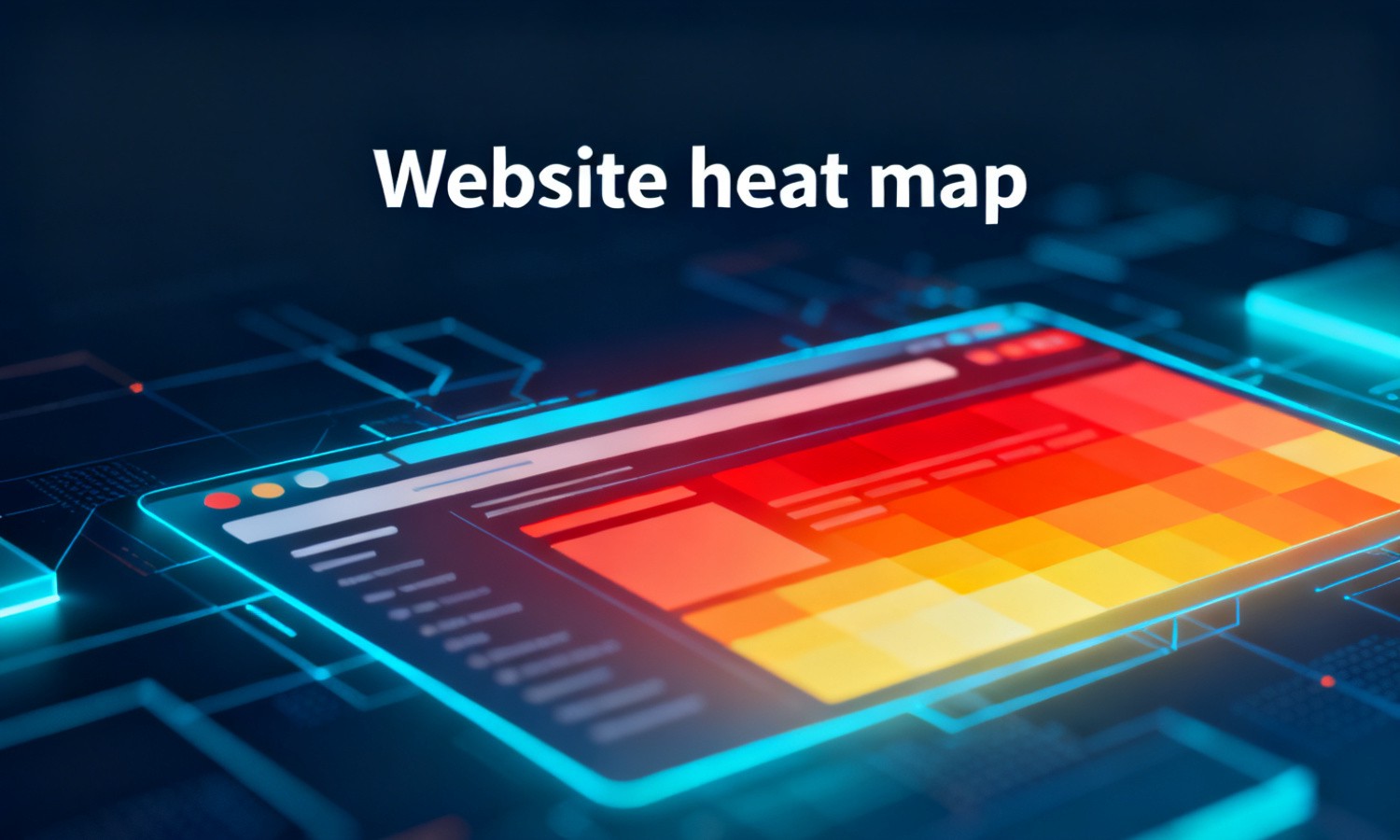
in the process of website operation and user experience optimization, website heat map is the core tool to understand the logic of user behavior. It can intuitively present the user's click, stay, scroll and other behavioral data on the page, and help operators accurately find the pain points and transformation opportunities of page layout. However, the website heat map tools on the market are complex in categories, with large differences in functions, adaptation scenarios and costs. Many users are often torn when selecting models. This article will start from the core evaluation dimension, mainstream tool comparison, selection suggestions, etc., to screen out practical website heat map tools for everyone, and help users improve website operation efficiency.
What are the core evaluation dimensions of the website heat map?
to judge whether a website heat map tool is easy to use, we must first clarify the core evaluation dimensions, which directly determine whether the tool can meet the actual operational needs.
1, data collection dimension
high-quality website heat map tool needs to cover multi-dimensional user behavior data such as click, scroll, stay, mouse movement, etc., which can not only present the user attention distribution of the overall page, but also subdivide the data differences of different devices and different client bases, providing operators with comprehensive behavioral analysis basis. If the tool only supports a single click data collection, it cannot completely restore the user's page browsing path.
2, data accuracy and real-time
The accuracy ofdata is the core value of the website heat map tool. The tool needs to eliminate invalid information such as accidental clicks and crawler data to ensure that the collected data is real user behavior data. At the same time, real-time is also critical, especially for the optimization of event pages and new product pages. Real-time updated website heat map data allows operators to quickly adjust strategies and seize the conversion window period.
3, operation convenience and adaptability
an easy-to-use website heat map tool should have a concise operation interface, can be quickly deployed without complex code development, and adapt to different types of website architectures, including static pages, dynamic interactive pages, e-commerce platforms, etc., to avoid data collection failure, page loading card and other issues.
Second, the mainstream website heat map tool practical comparison evaluation
based on the above evaluation dimensions, we selected three mainstream website heat map tools on the market for comparison, covering different sizes of user requests.
1, Baidu statistical heat map
as a free website analysis tool in China, the advantage of Baidu statistical heat map is that it is convenient to deploy, only need to embed a piece of code to complete data collection, and can get through with other tools of Baidu ecology, suitable for small and medium-sized website operators. It supports three core heat map types of click, scroll and stay, with high data accuracy, but it is slightly insufficient in subdividing client base analysis and real-time data update, and the function is relatively basic, which cannot meet the complex behavioral analysis needs.
2, Hotjar website heat map
Hotjar is an internationally renowned website heat map tool, which covers multiple dimensions such as clicking, scrolling, mouse movement, form analysis, etc. It also supports user screen recording function, which can intuitively restore the user's page operation path. Its data lake visualization effect is excellent, the operation interface is friendly, and it is suitable for medium and large websites and e-commerce platforms. However, its charging threshold is high. The basic version only supports a single domain name, and the domestic access speed is sometimes affected by the network environment.
3 analysis heat map
Shence analysis heat map is a refined user behavior analysis tool, supports multi-dimensional client base segmentation, can generate exclusive website heat map data for different channels and different user levels, excellent real-time and accuracy data, and can be combined with user portrait for in-depth analysis. However, its deployment process is relatively complex, requires certain technical capabilities, and the cost is high, which is more suitable for large enterprises with professional analysis teams.
3. Practical suggestions for website heat map tool selection
combine the advantages and disadvantages of different tools with their own operational needs, users can determine the right website heat map tool from the following directions.
1, according to the site size and budget selection
if it is a personal website, small and medium-sized enterprise website, the budget is limited, Baidu statistical heat map is a cost-effective choice, can meet the basic behavioral analysis needs; if it is a medium and large-scale e-commerce platform, a website with refined analysis needs, can choose Hotjar website heat map, to achieve a balance between functionality and ease of use; large enterprises can consider magic analysis heat map, to meet the depth of user behavior insight needs.
2, focus on selection according to core needs
If the core requirement is to quickly obtain the basic click and scroll data, optimize the page layout, the basic website heat map tool can be; if you need to restore the complete user operation path, combined with screen recording analysis of user behavior logic, you need to choose support screen recording function tool; if you want to perform multi-dimensional client base analysis, combined with user portrait optimization conversion path, you need to choose a website heat map tool with user segmentation capabilities.
To sum up, website heat map is the core tool to optimize user experience and improve website conversion. Different tools have their own focuses on functions, costs, and adaptation scenarios. Users need to combine their own website scale, budget and core needs when selecting models, and comprehensively evaluate data collection dimensions, accuracy, and operation convenience in order to select the most suitable website heat map tool, truly give full play to the value of data, and promote the double improvement of website operation efficiency and user conversion.