
What should I do if I encounter a DDOS attack? Emergency handling steps and precautions
Time: 2026-08-03
Editor: USTAT.COM
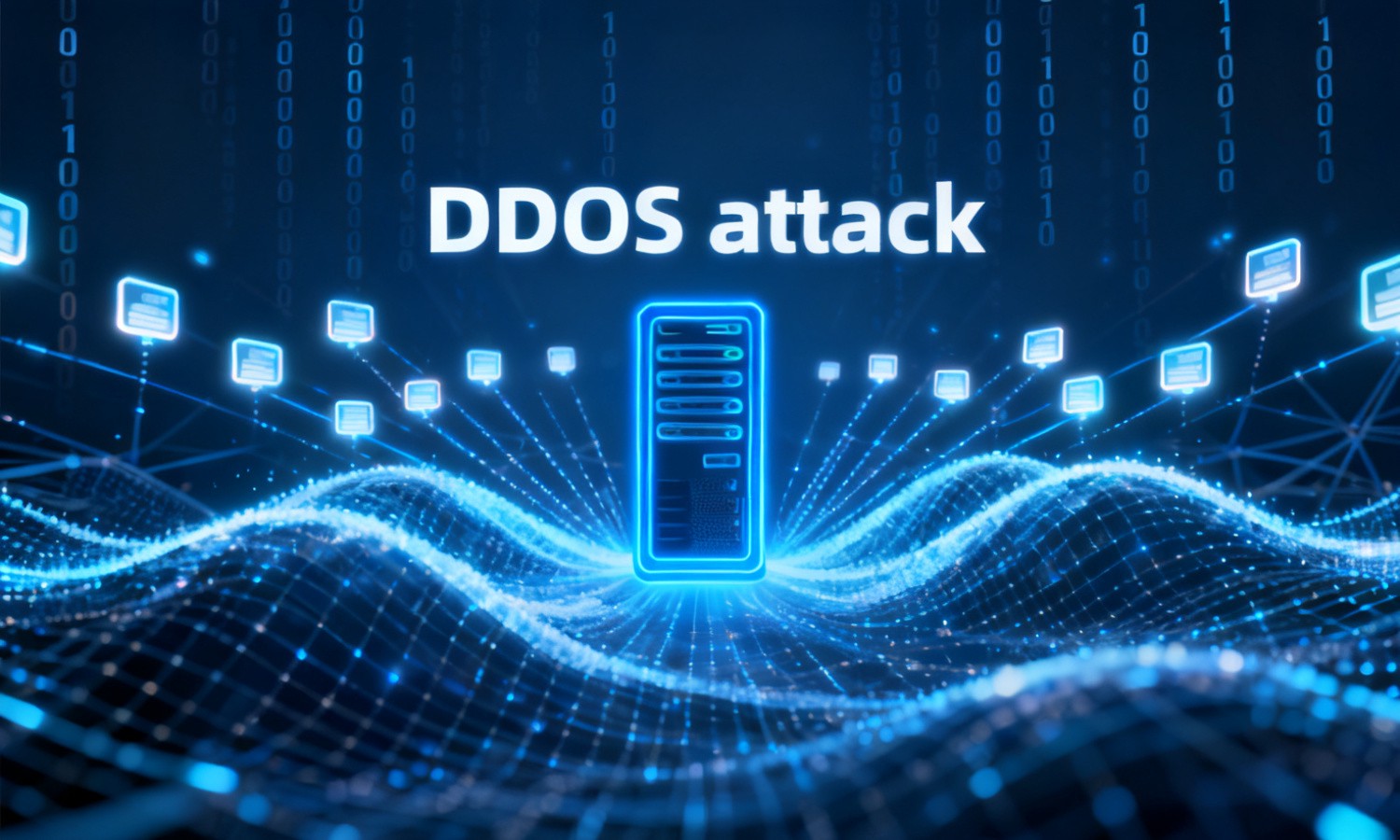
in the current digital operation, the stability of network services is directly related to the business operation and user trust of enterprises, but the emergence of DDoS attacks has become a major threat. Such attacks squeeze internet bandwidth and server resources through massive invalid traffic, resulting in legitimate users unable to access services normally, from small personal websites to large enterprise platforms. Many operation and maintenance personnel are often at a loss when they encounter DDoS attacks for the first time, missing the best time to deal with them. This article will dismantle the response plan after encountering DDoS attacks from multiple dimensions such as emergency response, disposal operation, and post-mortem review, to help readers quickly clarify their ideas and reduce the losses caused by attacks.
How to quickly determine a DDoS attack?
want to effectively respond to DDoS attacks, first of all to accurately determine whether the attack occurred, to avoid misjudgment caused by waste of resources or disposal is not timely.
1, monitoring abnormal flow data
view real-time data through server monitoring tools and bandwidth statistics platforms. If the bandwidth occupancy suddenly soars to more than 90%, and the traffic source is concentrated in a few IP segments, accompanied by a large number of invalid requests, it can be basically determined that it is a DDoS attack. In addition, the server CPU and memory usage rose sharply in a short period of time, exceeding the daily peak several times, which is also a typical attack characteristic.
2, troubleshooting service abnormal performance
legitimate users feedback that the website loads slowly, the page cannot be opened, or the API interface frequently returns timeout errors, and the server itself has no hardware failure and no abnormal system process crash. At this time, priority should be given to troubleshooting whether it has suffered a DDoS attack. At the same time, you can try to use the local test IP to access the server. If the local access is normal but the public network access is abnormal, the probability is that the bandwidth is full of DDoS attack traffic.
2. Core steps of DDoS attack emergency response?
once it is confirmed that a DDoS attack has occurred, it needs to be dealt with quickly according to the established process, and the service interruption time should be shortened as much as possible to reduce losses.
1, start flow cleaning and interception
immediately contact Cloud as a Service provider or professional DDoS defense vendors to open traffic cleaning services, identify and filter out invalid traffic in DDoS attacks through professional equipment, and only release legitimate requests. At the same time, the source IP segment of the attack is temporarily banned in the firewall or security group. Be careful to verify whether the IP segment contains legitimate users to avoid false blocking and expanding the impact.
2, adjust the service resource allocation
if you use Cloud as a Service, you can temporarily upgrade bandwidth specifications, increase server nodes, and alleviate the resource pressure caused by DDoS attacks through elastic expansion. For websites with more static resources, you can temporarily switch the content to CDN nodes to let CDN share most of the attack traffic and reduce the load on the source server.
What are the precautions for dealing with DDoS attacks?
in the process of dealing with DDoS attacks, if some details are ignored, it may lead to the expansion of the impact of the attack and even cause secondary problems.
1, avoid blind shutdown of core services
some operation and maintenance personnel will directly shut down the core service in order to stop the loss when they encounter DDoS attacks, but this will lead to completely inaccessible legitimate users, but bring greater brand loss to the enterprise. The correct approach is to prioritize the operation of services through traffic cleaning and resource expansion. Unless the attack has caused the system to completely collapse, do not easily shut down the service.
2, retention of attack data for review
while dealing with DDoS attacks, it is necessary to synchronize the retention of attack-related data, including traffic logs, IP sources, request characteristics, etc. These data can not only be used for subsequent attack traceability, but also help optimize defense strategies, improve the resilience of similar DDoS attacks, and avoid being passive when encountering again.
4. Review and optimization after DDoS attack?
DDoS the end of the attack, not only to restore the service will end, but also need to review the summary to optimize the defense system, to avoid the move again.
1, analysis of attack characteristics and path
combine the retained attack data to analyze the traffic type, attack port, and request method of the DDoS attack to find the weak link of the defense system. For example, if the attack is launched through an unclosed high-risk port, it is necessary to close the unnecessary port in time; if the attack exploits the vulnerabilities of the application layer, it is necessary to target the vulnerability and optimize the request verification rules.
2, upgrade the long-term defense system
based on the results of the attack analysis, upgrade the DDoS defense program, such as increasing high-defense bandwidth, deploying professional anti-DDoS equipment, or accessing the high-defense IP services of cloud vendors. At the same time, establish a normal traffic monitoring mechanism and set abnormal threshold alarms to ensure that DDoS attacks can be detected and responded to in a timely manner in the early stage, minimizing the harm.
To sum up, dealing with DDoS attacks needs to follow the complete process of judgment, disposal, and review. First, accurately determine the attack through abnormal performance of traffic and services, and then start emergency response measures such as traffic cleaning and resource adjustment. At the same time, pay attention to avoid blind shutdown of services, retention of attack data, and finally optimize the defense system through review. Only by establishing a complete system of rapid response + long-term defense can we effectively resist DDoS attacks, ensure the stable operation of network services, and maintain the business continuity and user trust of enterprises.