
How to choose a server? Mainstream model comparison, evaluation and recommendation
Time: 2026-09-29
Editor: USTAT.COM
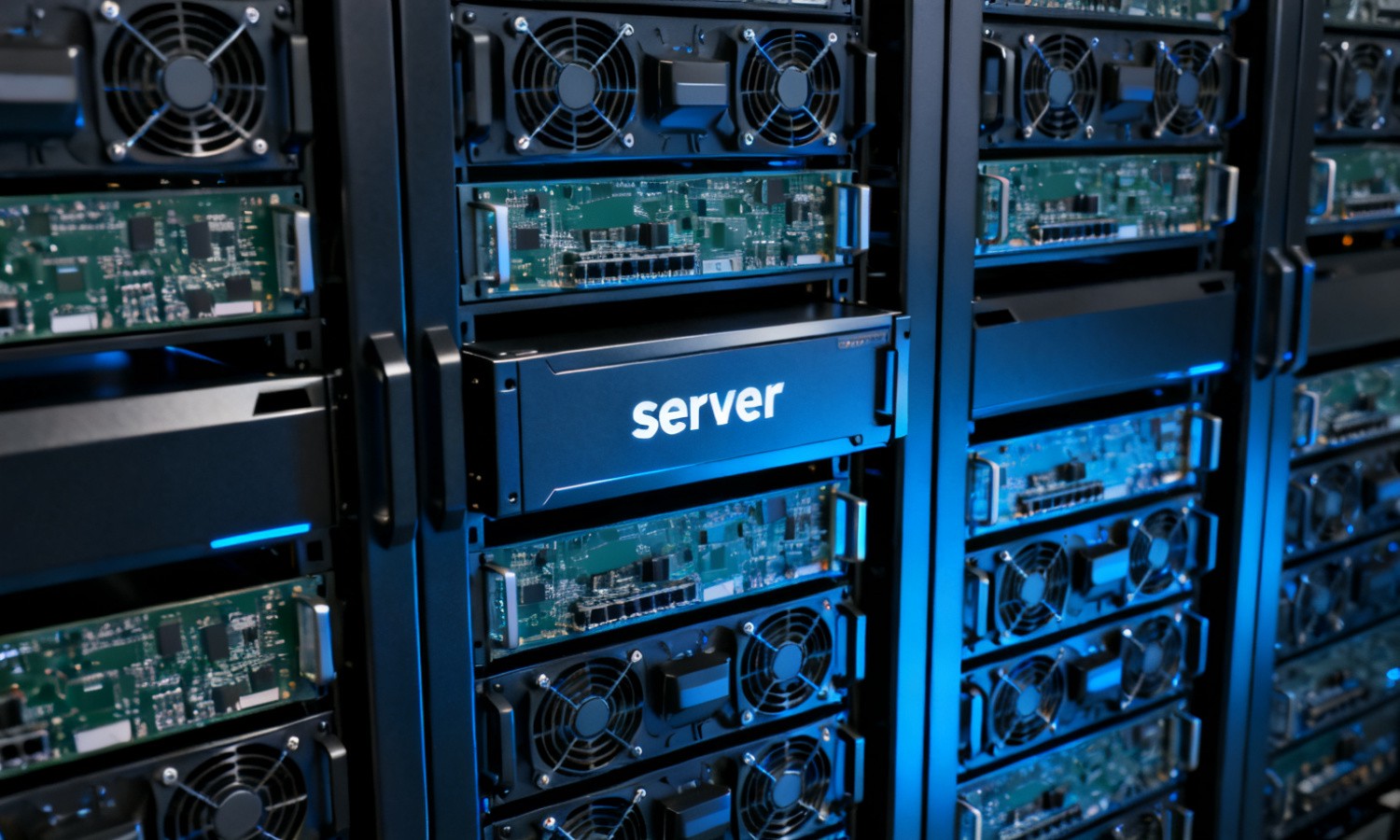
for enterprise operation and maintenance personnel, webmasters and individual users with big data processing needs, choosing a suitable server is directly related to business stability, data security and operation and maintenance costs. When many users face a dazzling array of server models on the market, they often fall into the confusion of parameter comparison, and do not know whether to cut in from the performance, scene or budget dimension. This article will start from the core logic of selection, compare and evaluate the mainstream server models, and give practical recommendations in combination with different usage scenarios to help you sort out the selection ideas.
, how to clarify the core requirements of server selection?
before choosing the server, first clear their core requirements is the key to avoid blind selection, different scenarios of server performance, scalability requirements vary greatly.
1, business scenario requirements
if it is small and medium-sized enterprises daily office, file storage and other lightweight needs, the server CPU performance, memory capacity requirements are low, focusing on stability and low cost; if the high-frequency business scenarios such as e-commerce platform and big data analytics, the server needs to have strong computing power, high bandwidth and redundant backup capabilities to ensure smooth operation during peak hours.
2, Budget and Extended Requirements
budget directly determines the configuration level of the server, and at the same time, it is necessary to consider the scalability of future business expansion, such as whether to support the later addition of hard disk, upgrade CPU or expand memory, to avoid the additional cost of short-term replacement of the server.
2. Comparison of core parameters of mainstream server models?
the current market mainstream servers are mainly divided into tower, rack and blade three categories, different types of servers in the parameters, the application of the scene has its own emphasis, the following core parameters for detailed comparison.
1, tower server parameter analysis
tower servers look like ordinary desktop chassis. Mainstream models such as Dell PowerEdge T350 are equipped with Intel Xeon E-2300 series CPUs, support up to 64GB of DDR4 memory, can be expanded to 8 hard disks, and have basic remote management functions. These servers consume less power and do not require dedicated cabinets. They are suitable for small business offices or personal studios.
2, rack server parameter analysis
rack-mounted servers are the mainstream choice of enterprise data centers, with 1U and 2U specifications, such as Huawei FusionServer 2288H V6, equipped with two Intel Xeon third-generation expandable CPUs, support up to 3TB memory, standard 24 hard disk slots, with dual power redundancy and high-speed network interface, computing power and scalability far exceed tower servers, suitable for the core business deployment of medium and large enterprises.
3, blade server parameter analysis
blade server will concentrate multiple server modules in a cabinet, such as IBM BladeCenter HS22, each blade module can be independently equipped with CPU, memory and storage, shared cabinet power, cooling and network resources, space utilization is extremely high, but the initial investment cost is high, suitable for large enterprises high density computing power demand scenarios.
How to recommend server models for different scenarios?
combine the usage scenarios and needs of different users, and recommend suitable server models in a targeted manner, which can effectively improve the selection efficiency and use experience.
1, small businesses and individual users
for small business office, personal website construction and other lightweight needs, recommend Dell PowerEdge T350 tower server, this server takes into account performance and cost, supports daily file storage, OA system deployment and small website operation, no need for a dedicated computer room environment, later can also be slightly expanded memory and hard disk, to meet the business growth needs of 1-2 years.
2, medium and large enterprises core business recommendation
for core business scenarios such as e-commerce platform and enterprise resource planning, recommend Huawei FusionServer 2288H V6 rack server, dual CPU configuration to ensure high computing power, redundant power supply and high-speed network interface to ensure zero business interruption, rich expansion slots can be added according to demand GPU acceleration card or large-capacity storage, adapted to the long-term development needs of medium and large enterprises.
4, server selection easy to step on what mistakes?
in the server selection process, many users will fall into cognitive errors, resulting in the selected server can not adapt to demand or cause cost waste, need to avoid in advance.
1, blind pursuit of high configuration parameters
some users think that the higher the server configuration, the better, blindly choose multi-CPU, large memory high-end models, but the actual business scenarios do not use excess computing power, not only increase the initial procurement costs, but also improve the daily operation and maintenance and power costs, resulting in waste of resources.
2, ignore the server later scalability
some users only focus on the current needs, choose poor scalability of the entry-level server, when the business expansion needs to be upgraded, found that the server can not add hard disk or upgrade CPU, can only be replaced as a whole, but increase the long-term cost.
To sum up, the server selection needs to start from its own business scenarios, budget and expansion requirements, first clarify the core requirements, then compare the parameter differences of different types of servers, and select the appropriate model in combination with the scene, while avoiding blind pursuit of high, ignoring expansion and other misunderstandings. Whether it is the lightweight needs of small enterprises, or the core business deployment of medium and large enterprises, you can find servers that meet your own needs, and control the operation and maintenance costs while ensuring the stable operation of the business.