
What is operator DNS pollution hijacking? Core principle and detailed explanation of hazards
Time: 2026-09-29
Editor: USTAT.COM
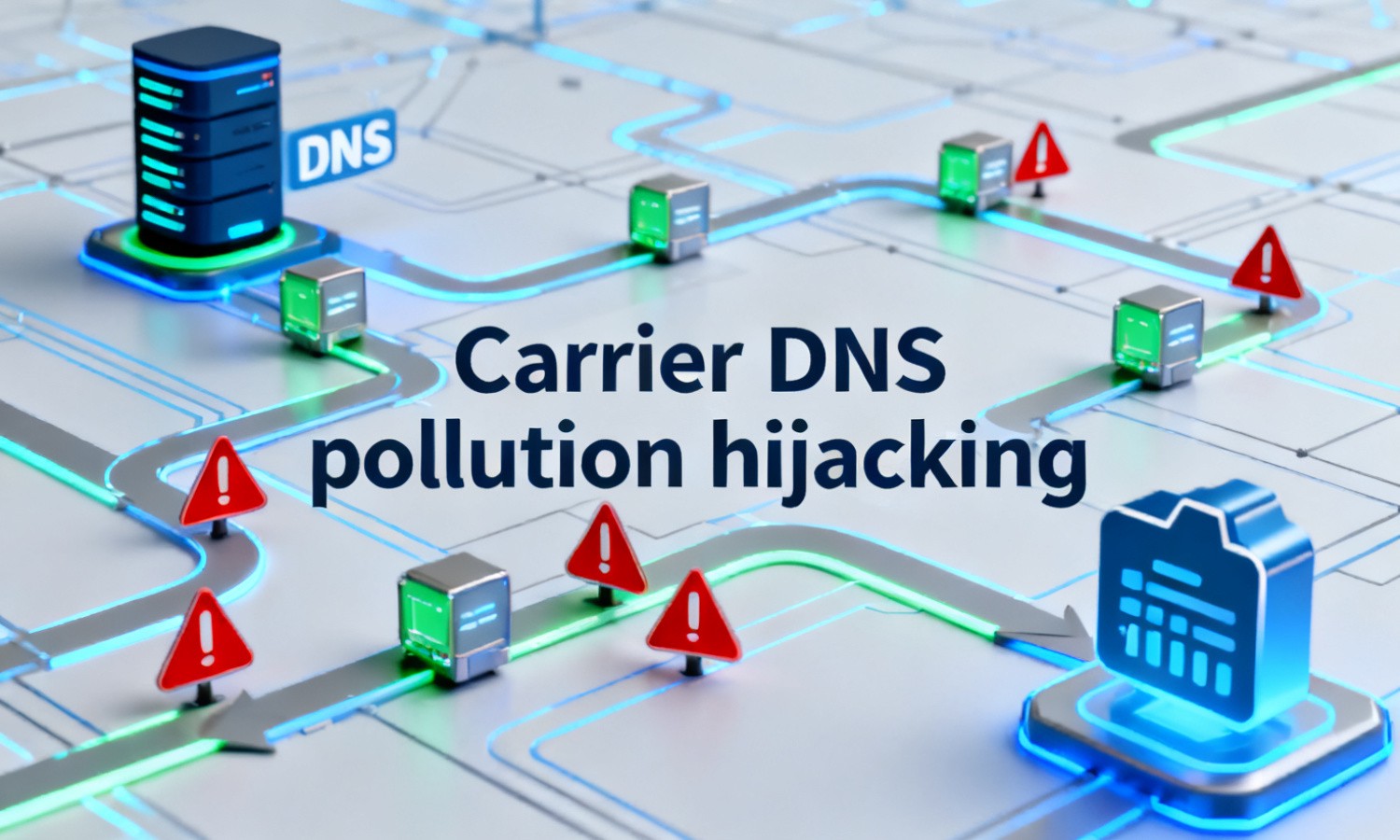
in daily network use, many people have encountered such a situation: clearly enter the domain name of a regular website, jump to an unfamiliar advertising page, or a commonly used website suddenly inaccessible. Behind these abnormal phenomena, it is likely to hide the figure of operator DNS pollution hijacking. This article will comprehensively interpret this cyber security problem from the dimensions of core principles, typical hazards, identification methods and protective measures, and help everyone recognize its operation logic and avoid latent risk.
What is the core principle of operator DNS pollution hijacking?
to understand the operator DNS pollution hijacking, we must first start from the basic function of DNS, which is like the "address book" of the network world, responsible for converting the domain name into the corresponding Internet Protocol Address, so that users can smoothly access the target website.
1, domain name resolution tampering logic
the core of the operator DNS pollution hijacking is in the DNS resolution link, when the user initiates a domain name resolution request, the operator's DNS server will deliberately return the wrong Internet Protocol Address, or add additional malicious IP in addition to the correct IP, resulting in the user's network request is directed to the preset target page, rather than the original want to visit the website.
2, common scenarios triggered by pollution
this kind of hijacking behavior usually occurs in the backbone network node of the operator. When the system detects that the domain name requested by the user contains specific keywords or belongs to a popular website with large traffic, it will automatically trigger the pollution mechanism. Some operators will also force the insertion of advertisements in this way to obtain additional commercial benefits.
What are the typical hazards of operator DNS pollution hijacking?
operator DNS pollution hijacking will not only interfere with the normal network experience, but also bring a series of direct or indirect security risks, causing multiple violations to the rights and interests of users.
1, network experience serious interference
the most intuitive harm is to destroy the normal browsing experience, users visit the regular website will be forced to jump to the advertising page, false website, commonly used website loading speed is slow or even inaccessible, greatly affecting the fluency and convenience of network use.
2, latent risk of user information leakage
part of the malicious operator DNS pollution hijacking will lead users to counterfeit phishing sites, these sites disguised as banks, e-commerce platform official page, inducing users to enter account passwords, payment information and other sensitive content, once the user is fooled, personal information and property security will face serious threats.
3, the crisis of trust in the network environment
when users frequently encounter operator DNS pollution hijacking, it will doubt the credibility of the entire network environment, and even misunderstand the security of formal websites, which will damage the healthy development of the network ecology in the long run.
3, how to identify the existence of operator DNS pollution hijacking?
face of hidden operator DNS pollution hijacking, users need to master some practical identification methods in order to detect abnormalities in time and take countermeasures.
1, compare the resolution results of different DNS
users can use the operator's default DNS and public DNS for domain name resolution respectively, and compare the results of the two. If the resolution IP of the same domain name is different and the website can be accessed normally when using public DNS, there is a high probability of operator DNS pollution hijacking.
2, monitoring the abnormal phenomenon of network jump
pay attention to the page jump when browsing the website, if you enter the regular domain name automatically jump to the unfamiliar page, or the bottom of the page, the side of the forced insertion of irrelevant advertisements, and still repeatedly pop up after closing, can also be used as a basis for judging the operator DNS pollution hijacking.
four, how to effectively prevent operators DNS pollution hijacking?
recognize the hazards and identification methods of DNS pollution hijacking by operators, take targeted protective measures to avoid infringement from the root cause.
1 Replacing public DNS servers
this is the most direct and effective protection method, users can replace the DNS server address of the device with domestic or international public DNS, such as Ali DNS, Google DNS, etc. These public DNS servers usually have stricter security mechanisms, which can effectively avoid the impact of operator DNS pollution hijacking.
2, turn on the encryption analysis function of the device
at present, many smart devices and browsers support DNS over HTTPS or DNS over TLS encryption and resolution function. After opening, the user's DNS resolution request will be transmitted in encrypted form, and the operator cannot easily tamper with the resolution result, so as to block the operator's DNS pollution hijacking from the technical level.
3, feedback complaints and legal rights
if it is confirmed that the operator's DNS pollution hijacking, the user can report the complaint to the operator's customer service department and ask it to stop the hijacking. If the problem is not solved, you can also complain to the relevant regulatory authorities and use legal means to protect your network use rights.
To sum up, operator DNS pollution hijacking is a network interference behavior achieved by tampering with DNS resolution results. Its core principle is to manipulate the domain name resolution link, which will bring multiple hazards such as experience interference and information leakage. By comparing the analysis results and monitoring page jumps, this behavior can be identified. Replacing public DNS and opening encryption and resolution are effective protection means to help everyone build a safer and purer network usage environment.